
Tampa Bay Inshore Fishing: A Beginner's Guide to Your First Charter
Your First Bay Trip Starts Here
Hop aboard with Captain Juan and book your Tampa Bay charter today!
Published:
Updated:
What Inshore Fishing Actually Means
Inshore fishing is fishing in the protected, shallow water close to shore. In Tampa Bay that means sandy flats, sun-warmed shallows, mangrove edges and narrow passages rather than open ocean. The water is calmer than offshore, the boat stays close to land, and the whole trip feels more manageable for someone who has never held a rod on a boat.
That calm is a big reason beginners start here. You are not heading miles out to chase deep water. You are working shallow ground where fish move in and out with the tide, and where a guide who knows the area can put you in the right spot quickly. If you have been searching for a first fishing charter, an inshore trip is a sensible place to begin.
How a Guided Charter Works
A charter is simple in practice. You book a trip with a licensed captain, meet at the boat, and the captain takes you out and runs the day. With Glo 1 Fishing Charters, that captain is Juan Herndon, who guides trips around Tampa Bay and its flats.
The captain decides where to go, how to approach a spot and when to move. You do not need to read charts, judge the tide or pick a location yourself. All of that is the job of the person at the helm, and it is the main reason a guided trip beats going out alone when you are new.
The Boat Matters in Shallow Water
Shallow water punishes the wrong boat. Glo 1 runs a 21-foot Carolina Skiff, a flat-bottomed design built for skinny water that deeper-hulled boats cannot work. A 150 HP Mercury engine covers open stretches of the bay at a good pace.
When the water gets tight, a wireless trolling motor takes over. It lets the captain move the skiff quietly through narrow passages and along mangrove edges without spooking fish. Quiet matters in shallow water, because fish there are easily startled. For a beginner, it also means a smoother and less hectic ride than a loud boat crashing across the flats.
What the Captain Handles
Most of the hard parts are taken care of before you pick up a rod. Here is what a guide typically covers on a trip like this:
- Running the boat and choosing where to fish
- Positioning the skiff so you can cast at the right angle
- Safety on board, including an EPIRB aboard the boat and a CPR-trained captain
- Helping you through the basics so you are not guessing
That last point is where a first-timer gains the most. Nobody expects you to arrive knowing how to fish a flat. The captain shows you what to do, and you learn by doing it rather than by reading about it the night before.
What You Do as a Beginner
Your job on board is smaller than you might fear. You cast when the captain says the spot is right, you pay attention to your line, and you reel when something takes the bait. Easy casting and steady action suit newcomers well, and light tackle keeps the gear approachable when you are still finding your feel for it.
The activities Juan offers include light tackle, heavy tackle, drift fishing and trolling. For a first charter, light tackle is the natural fit. Drift fishing is also easy to follow, since the boat moves along and you keep your line working while the captain handles the positioning. You can ask about the other styles once you know what you enjoy.
Getting Ready for Your First Trip
A little preparation makes the day more comfortable. Dress for the sun and water, since the flats offer little shade. Bring a hat, sunscreen and something to drink, and wear shoes you do not mind getting wet. If you have questions about what to bring or what is provided on the boat, ask the captain when you book rather than guessing.
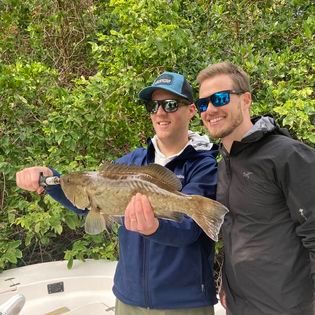
Go in with an open mind. A first charter is as much about learning how the bay works as it is about what ends up in the boat. Watching how a guide reads shallow water, how the skiff slips along a mangrove line, and how the pace of a day on the flats feels will teach you more than any article can.
Is an Inshore Charter Right for You?
If you want a calm, close-to-shore introduction to fishing with someone else doing the hard thinking, it is a strong choice. Tampa Bay inshore fishing offers shallow, scenic water and a boat designed for it, and a captain who has spent time learning where to take people. You do not need experience, only a willingness to cast, watch and enjoy the ride.
When you are ready to try it, reach out to Glo 1 Fishing Charters to ask about trips that suit a first-timer. Tell Captain Juan it is your first time on the water, and he can point you toward the kind of trip that fits.